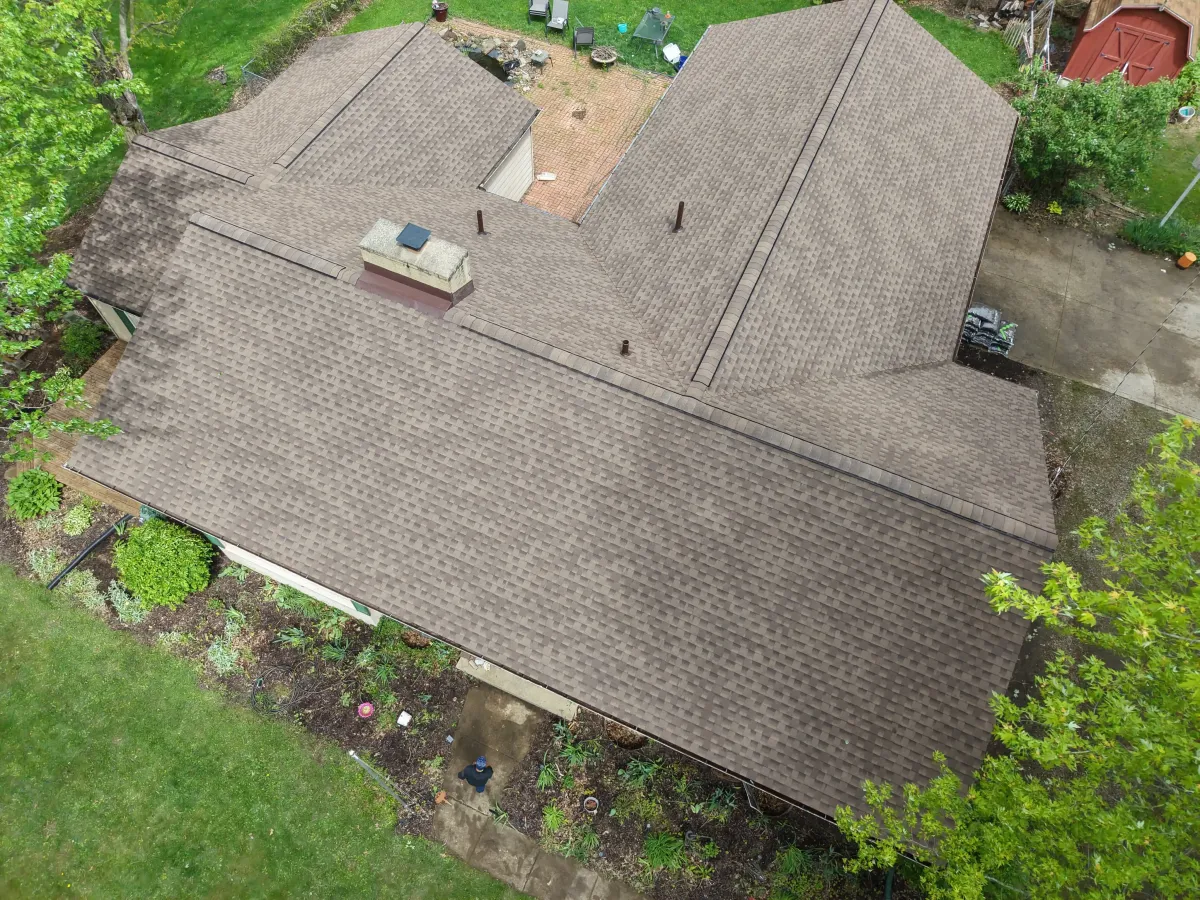
Choosing Shingle Colors for Energy Efficiency: What Ohio Homeowners Need to Know
Lighter shingle colors reflect more summer heat and can reduce attic temperatures, while darker shingles absorb warmth that helps in Ohio winters. The best color balances both seasons.
With Ohio summers delivering plenty of heat and humidity, a lot of homeowners in Perrysville, Ashland County, and Richland County are asking a smart question when it comes time for a new roof: does shingle color actually affect what I pay to cool my home? The short answer is yes, it can - but the full picture is a little more nuanced than "go light, save money." At Weikles Roofing, we talk through this with homeowners all the time, and we want to give you the honest breakdown so you can make a decision that works for your house, your budget, and Ohio's four-season climate.
How Shingle Color Affects Heat and Energy Costs
Your roof is the largest surface on your home exposed to direct sunlight. On a hot July afternoon in Perrysville, a dark-colored roof can get much hotter than the surrounding air temperature. That heat transfers down into your attic, and if your attic insulation or ventilation is not doing its job, that warmth bleeds into your living space and forces your air conditioner to work harder.
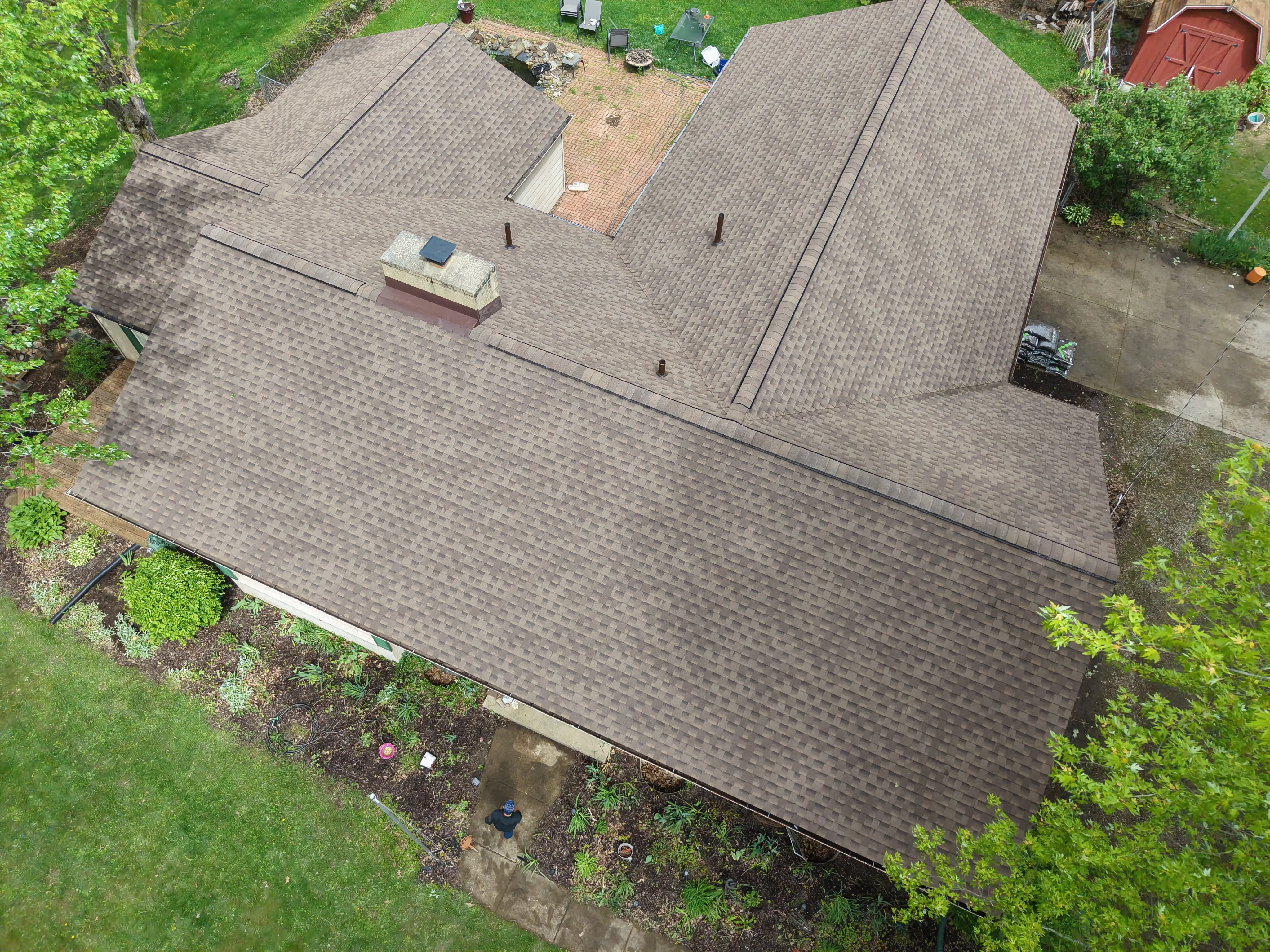
Lighter shingle colors - think light gray, cream, tan, or weathered wood tones - reflect a higher percentage of solar energy rather than absorbing it. That reflection keeps attic temperatures lower during the summer months, which is a real benefit when you are running your AC from June through September.
Darker shingles - charcoal, dark brown, black - do the opposite. They absorb solar heat. In the middle of a hot Ohio summer, that is a drawback. But here is where Ohio's climate complicates things: our winters are real. A darker roof that pulls in solar heat on a cold February day can actually reduce the burden on your heating system. That is the trade-off most homeowners in Ashland County and Richland County are working with.
The Role of Attic Insulation and Ventilation
Here is something we tell every homeowner who calls us about energy-efficient roofing: shingle color is one piece of the puzzle, not the whole picture. If your attic has poor insulation or inadequate ventilation, even the lightest shingles will not fully solve your heat problem. Conversely, a well-ventilated attic with proper insulation can significantly reduce heat transfer even under darker shingles.
When our crew does a roof assessment, we look at the whole system - not just the shingles. If we spot signs that attic airflow is compromised, we bring it up before we ever talk color swatches. That is just the honest way to do the job right.
If you want a deeper look at what goes into a sound Ohio roof system, our Ohio roofing guide covers materials, climate considerations, and what homeowners across the state should be thinking about.
Need help now? Call Weikles Roofing at (419) 989-6776 for a free estimate.
What Shingle Colors Work Best for Ohio's Climate?
If energy efficiency in summer is your top priority, lighter shades are the right direction. Light gray, pale tan, and weathered wood tones are popular choices among homeowners in the Perrysville and Mansfield area who want to keep cooling costs manageable. These colors reflect a meaningful amount of solar radiation compared to charcoal or near-black options.
📞 Need help now? Call Weikles Roofing at (419) 989-6776 for a free estimate.

That said, most Ohio homeowners land somewhere in the middle - medium tones like slate gray, aged wood, or warm brown. These colors offer a reasonable balance between summer heat reflection and winter solar absorption, and they tend to complement the brick exteriors and neutral siding colors common throughout Ashland County and Richland County.
Cool Roof Shingles: Are They Worth It?
Several shingle manufacturers now offer what are called "cool roof" products. These shingles use specially designed granules that reflect more UV energy than standard shingles of the same color. So you can get a medium or even darker-looking shingle that still performs closer to a lighter shingle in terms of heat reflection.
This technology has improved a lot in recent years. If you like the look of a darker shingle but want better energy performance, cool roof options are worth asking about. We can walk you through what is available and what the realistic performance expectations are for our part of Ohio - not the marketing version, the real version.
Does Color Affect Shingle Lifespan?
To some extent, yes. Shingles that absorb more heat experience more thermal expansion and contraction over time. In Ohio, where we swing from summer heat to winter cold and back again, that thermal cycling adds up. Lighter shingles that run cooler in summer may experience slightly less of this stress. It is not a dramatic difference with quality shingles, but it is worth knowing. Quality installation matters far more than color when it comes to how long your roof lasts. You can read more about expected lifespans across different roofing materials in our roof lifespan by material guide for Ohio.
Curb Appeal vs. Energy Efficiency: You Do Not Have to Pick One
One concern we hear from homeowners is that the "energy-efficient" choice means sacrificing the look they want. That is rarely true today. The shingle market has expanded a lot, and manufacturers offer a wide range of colors and architectural styles across light and medium tones. You do not have to choose between a roof that looks good on your home and one that helps your energy bills.
When we sit down with homeowners in Perrysville, Ashland County, and the surrounding areas for a roofing estimate, we bring samples. We look at the home's exterior - the siding, brick, trim, and even the landscaping - and we talk through what colors are going to look right and perform well together. That kind of hands-on, local attention is something you get from a family-owned company that has been doing this work in this community for years, and it is something you will not get from a contractor who is just passing through.
Practical Steps Before You Choose a Shingle Color
Before you land on a color, here are the things we recommend every homeowner in the Perrysville and Mansfield area think through:
Check your attic first. If insulation or ventilation is the real problem, address that before or alongside your new roof. Color alone will not fix inadequate attic airflow.
Think about your HOA or neighborhood. Some communities in Richland County have guidelines on acceptable shingle colors. Check before you fall in love with a specific shade.
Look at your home's exterior in natural Ohio light. Colors look different on a shingle sample card versus installed on a roof under a midday sun. Our team can show you reference photos of similar homes in the area.
Ask about cool roof technology. If you want a specific look but better energy performance, ask specifically about granule technology in the products you are considering.
Consider resale. Neutral, medium tones tend to have the broadest appeal. If you may sell in the next several years, a color that photographs well and appeals to buyers in the Ohio market is worth thinking about.
If you have questions about what products we carry or how our estimates work, our service FAQ covers a lot of the common questions homeowners ask before getting started.
Frequently Asked Questions About Shingle Colors and Energy Efficiency
Do lighter shingle colors really save energy in Ohio?
Lighter shingles reflect more sunlight and can reduce attic heat buildup during summer, which may lower cooling costs. The actual savings depend on your attic insulation, ventilation quality, and how the rest of your home performs thermally. Color is one factor in a system, not a standalone fix.
What shingle color is best for energy efficiency in Ohio?
In Ohio, lighter shades like light gray, tan, or weathered wood reflect more heat in summer. However, Ohio winters mean darker shingles can provide some benefit by absorbing solar heat on cold days. Most homeowners end up with a medium tone that balances both seasons and looks good with their home's exterior.
Will my shingle color choice affect my home insurance or resale value?
Shingle color typically does not directly affect insurance rates. A well-maintained roof with strong curb appeal can positively influence resale value. In the Ohio market, neutral tones tend to photograph well and appeal to a wide range of buyers.
What are cool roof shingles and are they worth it in Ohio?
Cool roof shingles use special granules that reflect more UV rays regardless of the shingle's color. They can be worth considering for Ohio homeowners dealing with hot summers, especially if you prefer darker aesthetics but still want better energy performance. Results vary based on attic conditions.
How long do asphalt shingles last in Ohio's climate?
Asphalt shingles in Ohio typically last 20 to 30 years depending on the product grade, installation quality, and ongoing maintenance. Ohio's mix of summer heat, humidity, and severe storm seasons can accelerate wear on roofs that are not properly maintained or were not installed correctly to begin with.
Can I change my shingle color when I replace my roof?
Yes. A full roof replacement gives you the opportunity to choose a completely new shingle color. A local roofing contractor can provide samples and help you see how different colors look against your siding, trim, and brick in Ohio's natural light before you commit.
Does shingle color affect attic temperature in summer?
Yes. Dark shingles absorb significantly more solar heat than light shingles, which transfers into the attic. In summer, this can raise attic temperatures and increase the load on your air conditioning system - especially if attic ventilation is not adequate for the home's size and design.

