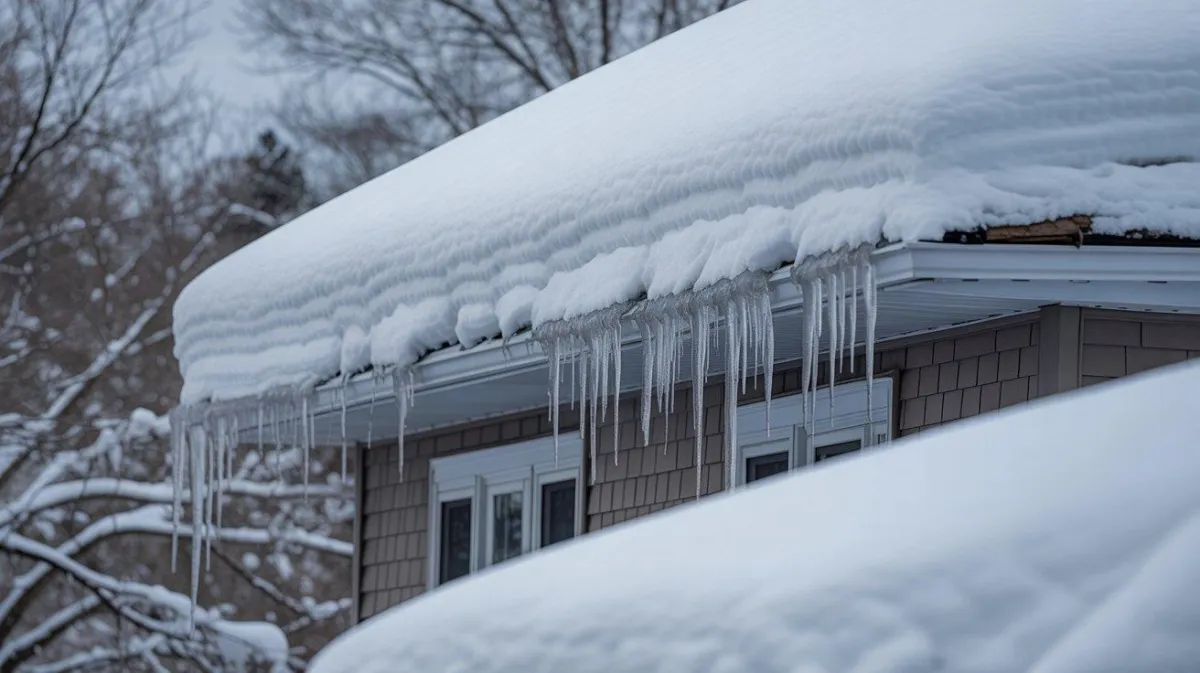
Ice Dams in Ohio: Prevention and Emergency Solutions
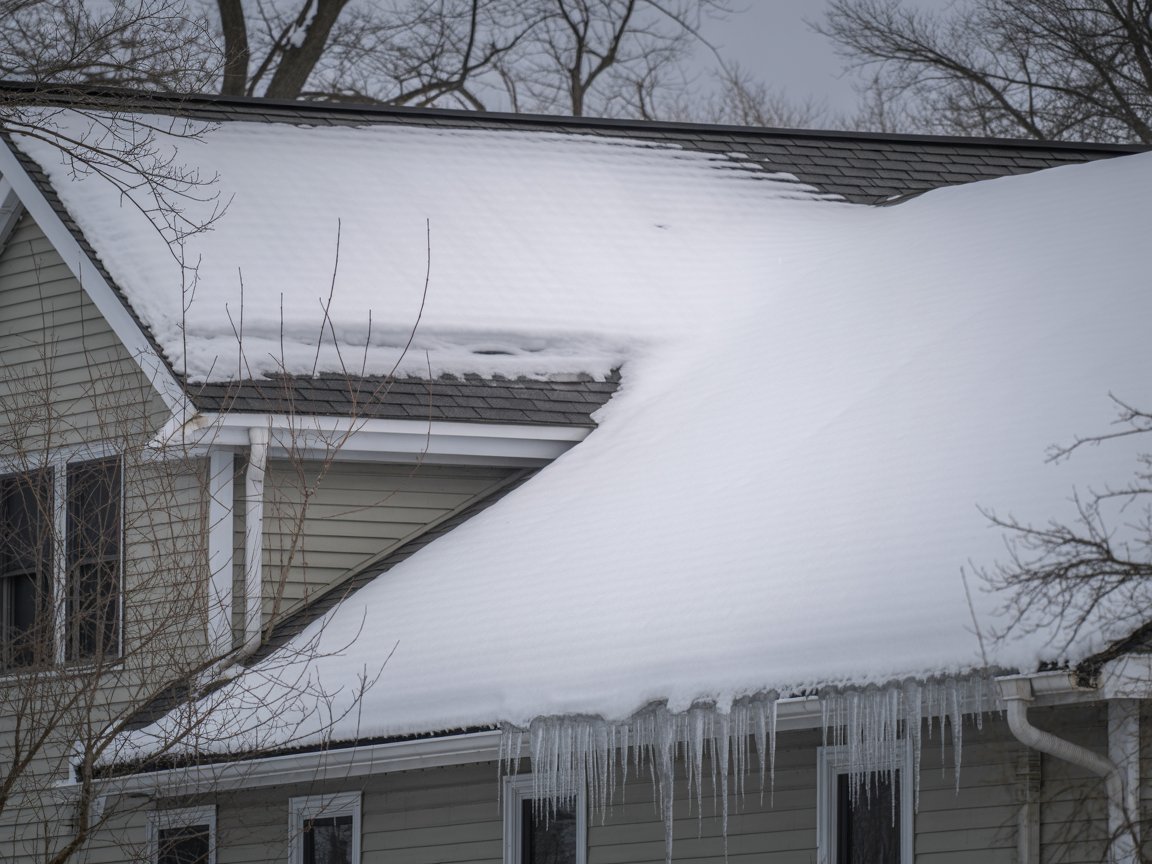
Ice Dams in Ohio: Prevention and Emergency Solutions
By Jesse Weikle, Owner of Weikles Roofing
Ice dams are one of the most common and most damaging winter roof problems Ashland and Richland County experience. Here's what causes them, how to prevent them, and what to do if you get an ice dam affecting your home this winter.
Updated February 2026 | 7 min read
If you've noticed large icicles hanging from your gutters or water stains magically appearing on your ceiling during winter, then you might be dealing with an ice dam. This is a serious roof problem that won't just fix itself — and ignoring it can lead to thousands upon thousands of dollars in water damage. We're talking replacing drywall, moldy insulation, and water dripping on your carpet.
After the recent winter storm that hit Ashland and Richland County, we've been getting calls from homeowners dealing with ice dam damage. Let me explain what's happening on your roof and what you can do about it.
What Is an Ice Dam?
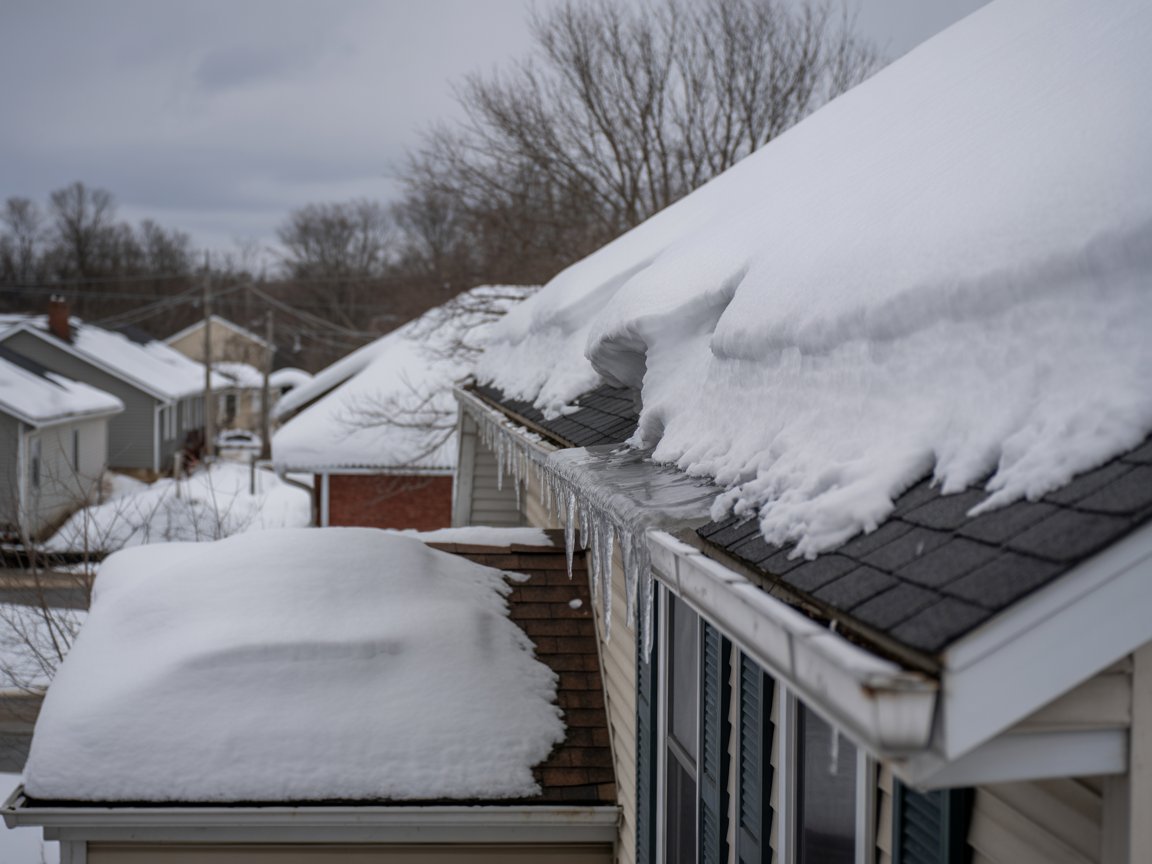
An ice dam is a ridge of ice that forms at the edge of your roof, usually right above the gutters. It prevents melting snow from draining off your roof properly.
Here's how it happens:
Heat escapes from your attic — through poor insulation, air leaks, or inadequate ventilation
The roof deck warms up — causing snow on the upper part of your roof to melt
Water runs down toward the cold edge — where there's no heat escaping (above the eaves)
The water refreezes — creating a dam of ice
More meltwater backs up behind the dam — and eventually works its way under your shingles
Water enters your home — causing damage to ceilings, walls, insulation, and more
The irony? Ice dams are often worse on well-heated warmer homes because more heat escapes through the roof.
Warning Signs You Have an Ice Dam
Look for these indicators from inside and outside your home:
Exterior signs:
Large icicles hanging from gutters or roof edge
Ice buildup along the eaves
Ice forming behind gutters
Snow melting unevenly (bare spots higher up, snow at edges)
Interior signs:
Water stains on ceilings near exterior walls
Peeling paint near the roofline
Damp spots in the attic
Water dripping from soffit areas
Mold or mildew smell in the attic
If you see any combination of these signs — especially after a heavy snow — you likely have an ice dam forming.
Why Ice Dams Are Dangerous
Ice dams aren't just unsightly. They cause real damage:
Roof damage: Water backing up under shingles loosens them, damages the roof deck, and destroys the underlayment that protects your home.
Interior water damage: Once water gets past your shingles, it can damage insulation, drywall, ceilings, and even the structure of your home.
Mold growth: Moisture trapped in walls and attics creates perfect conditions for mold, which is expensive to remediate and poses health risks.
Gutter destruction: The weight of ice dams can tear gutters right off your house.
Foundation issues: When gutters are blocked or damaged, water dumps directly next to your foundation instead of being directed away.
The average cost to repair ice dam damage in Ohio ranges from $1,500 to $10,000 depending on how long the problem went unaddressed.
How to Prevent Ice Dams
The best solution is prevention. Here's what actually works:
1. Improve Attic Insulation
The goal is to keep your attic cold — as close to the outside temperature as possible. When your attic is cold, snow doesn't melt prematurely.
For Ohio homes, you want R-49 to R-60 insulation in your attic. Many older homes in Ashland and Richland County have far less than this.
Signs your insulation is inadequate:
Ice dams form every winter
Heating bills are unusually high
Snow melts quickly on your roof compared to neighbors
You can see the outline of rafters in snow patterns
2. Seal Air Leaks
Even with good insulation, warm air can leak into your attic through:
Recessed lights
Attic hatches
Plumbing and electrical penetrations
Bathroom exhaust fans
Gaps around chimneys
A home energy audit can identify these leaks. Sealing them is often more effective than adding insulation.
3. Ensure Proper Ventilation
Your attic needs to breathe. Cold air should enter through soffit vents and exit through ridge vents or roof vents. This keeps the roof deck cold and prevents uneven melting.
Common ventilation problems:
Soffit vents blocked by insulation
Not enough ridge venting
Bathroom fans venting into the attic instead of outside
Gable vents that create cross-currents instead of proper airflow
4. Install Ice and Water Shield
When you get a new roof, make sure your roofer installs ice and water shield (also called ice barrier) along the eaves. In Ohio, this should extend at least 3 feet past the exterior wall line.
This self-adhering membrane creates a waterproof barrier even if water backs up under your shingles. It's code in most areas, but some older roofs don't have it.
At Weikles Roofing, we install ice and water shield on every roof we do. It's standard — not an upgrade.
5. Keep Gutters Clean
Clogged gutters make ice dam problems worse. When gutters are full of debris, water can't drain even when it does make it to the edge. Clean your gutters in late fall, after the leaves have dropped.
What NOT to Do
Some common "solutions" actually make things worse or create new problems:
DON'T chip ice off your roof. You'll damage your shingles, and you could fall off a slippery roof. This is how people get seriously hurt.
DON'T throw salt on your roof. Rock salt damages shingles and kills plants below. It's also only a temporary fix.
DON'T use a pressure washer. You'll force water under your shingles and into your home.
DON'T install heat cables as a permanent solution. They're expensive to run, create ice dams in different locations, and don't address the underlying problem.
What to Do If You Have an Ice Dam Right Now
If you're dealing with an active ice dam, here's what to do:
Immediate Steps:
Remove snow from your roof — Use a roof rake (available at hardware stores) to clear snow from the first 3-4 feet of your roof. Stay on the ground. This reduces the amount of water that can melt and contribute to the dam.
Create drainage channels — In an emergency, you can fill a leg of pantyhose with calcium chloride ice melt and lay it perpendicular to the ice dam. This creates a channel for water to drain. This is a temporary fix only.
Address interior leaks — If water is coming in, place buckets to catch drips and move furniture away from affected areas. Document everything with photos for insurance.
Call a professional — For safe, effective ice dam removal that won't damage your roof.
Professional Ice Dam Removal
We use low-pressure steam to remove ice dams safely. Steam melts the ice without damaging shingles, and we can create drainage channels to prevent immediate water backup.
This is NOT a DIY job. The combination of heights, ice, and specialized equipment makes it dangerous for homeowners.
The Long-Term Fix
After the immediate crisis is handled, you need to address why the ice dam formed in the first place. Nine times out of ten, it's an insulation or ventilation issue.
A proper assessment should include:
Attic insulation inspection
Air leak detection
Ventilation evaluation
Roof condition assessment
Sometimes the fix is straightforward — adding insulation or sealing a few air leaks. Other times, it requires more significant work.
Does Insurance Cover Ice Dam Damage?
In most cases, homeowner's insurance covers the damage caused by ice dams (water damage to ceilings, walls, etc.) but does not cover the cost of removing the ice dam itself or fixing the underlying problem (insulation, ventilation).
To file a claim:
Document all damage with photos and video
Don't make permanent repairs until the adjuster sees it
Keep receipts for any emergency repairs
Get a professional inspection report
We help homeowners document ice dam damage for insurance claims. Our inspection reports include photos and detailed descriptions that insurance companies accept.
When to Call Weikles Roofing

Call us if you notice:
Water stains appearing on ceilings during or after a winter storm
Ice buildup that keeps growing at your roof edge
Icicles larger than a few inches
Signs of water in your attic after snow or ice
We provide:
Emergency ice dam assessment — We'll evaluate the situation and recommend the safest approach
Professional ice dam removal — Using methods that won't damage your roof
Damage documentation — For your insurance claim
Long-term solutions — Recommendations for preventing future ice dams
Roof repairs — If the ice dam has caused shingle or structural damage
Don't wait until water is pouring through your ceiling. Ice dams get worse over time, and the damage compounds with each freeze-thaw cycle.
Need help with an ice dam?
Call Weikles Roofing at (419) 989-6776 for same-day assessment.
We serve Perrysville, Ashland, Mansfield, and all of Ashland and Richland County.
Free inspections. Honest recommendations. Lifetime workmanship warranty on all repairs.
Frequently Asked Questions
How do I know if I have an ice dam or just icicles?
Small icicles (under 6 inches) at your gutter line are normal and usually harmless. Ice dams show as a thick ridge of ice along the roof edge, often with icicles hanging from them. If you see ice buildup behind your gutters or notice water stains on your ceilings after a thaw, you have an ice dam problem.
Can ice dams damage a new roof?
Yes. Even new roofs can suffer ice dam damage if the underlying insulation and ventilation problems aren't addressed. The ice and water shield we install provides extra protection, but it's not a permanent solution for ongoing ice dam issues. The real fix is in the attic.
How much does professional ice dam removal cost?
Professional ice dam removal in Ashland County typically ranges from $300 to $700 depending on the size and accessibility of the ice dam. This is significantly less than the water damage repair costs if you let it go — which often run $2,000 to $10,000 or more.
Will adding heat cables prevent ice dams?
Heat cables (also called heat tape) can help in specific situations, but they're not a permanent solution. They're expensive to operate, can create new ice dam locations at their edges, and don't address the root cause. We generally recommend fixing insulation and ventilation instead of relying on heat cables.
Should I remove snow from my roof after every storm?
Not necessarily. If your roof is properly insulated and ventilated, snow should stay frozen until it melts naturally with warmer temperatures. However, if you have a history of ice dams, using a roof rake to remove the first 3-4 feet of snow after heavy storms can reduce the risk. Never go on your roof to remove snow — use a roof rake from the ground.
Related Articles
Why We Never Use Subcontractors (And Why It Matters for Your Roof)
About Weikles RoofingWeikles Roofing is a third-generation family-owned roofing company serving Ashland and Richland County, Ohio. We use only in-house crews—never subcontractors—and back every job with a lifetime workmanship warranty. Our Equipter RB4000 technology keeps your property clean during roof work.
Weikles Roofing
1204 Township Road, Perrysville, OH 44864
📞 (419) 989-6776
🌐 weiklesroofing.comLicensed • Insured • Third-Generation Family Owned

